



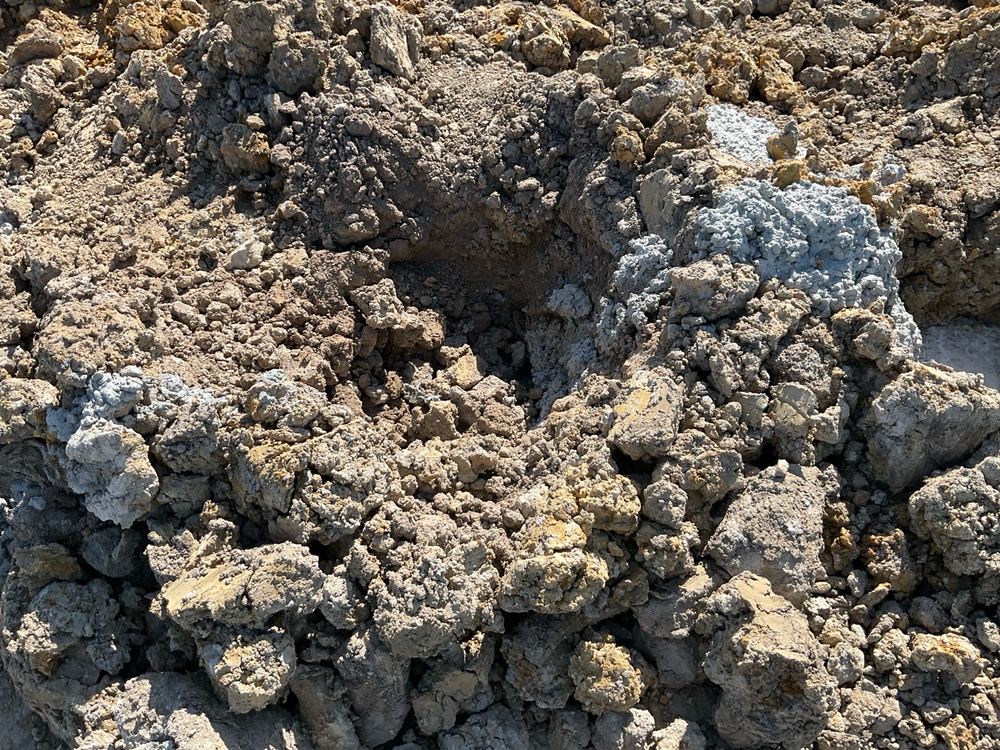
Bored piers
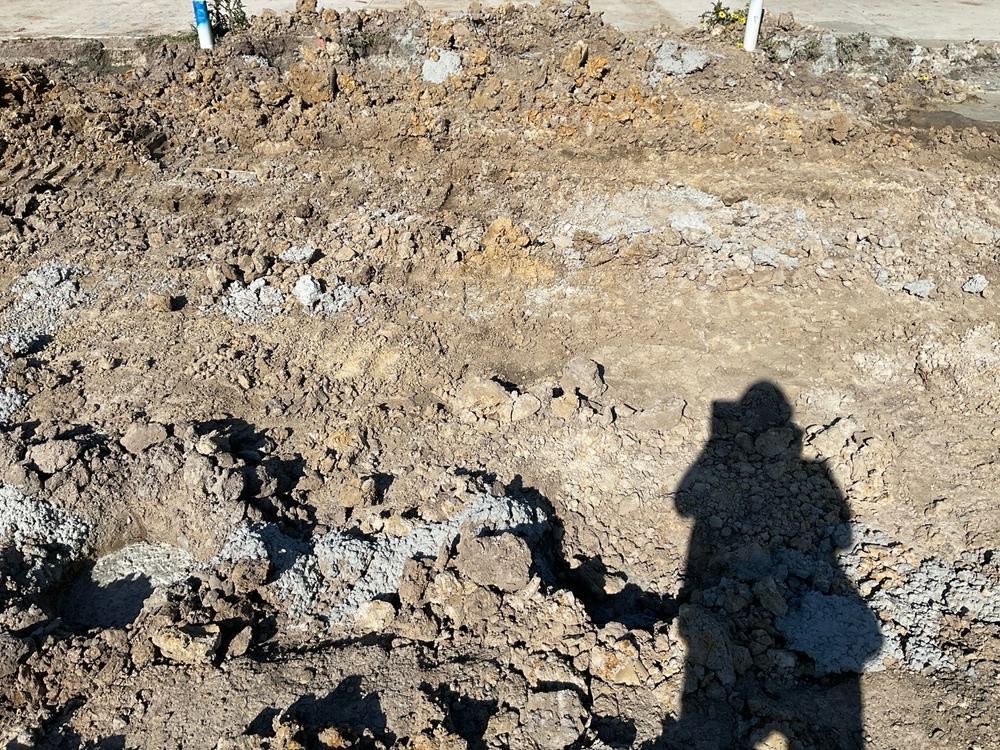
Holes bored and cleaned, before the pier concrete
Pier positions under the beams, alignment, diameter and depth against the engineering, and the base clean of spoil and water.
Learn more about the bored piers inspection →Seven separate visits across an Officer build, each booked for the short gap before the next trade buries the work.
One of our inspectors will call you back. If it is urgent, call 1300 471 805.
On Officer jobs the structural findings cluster at frame and lock-up: packing under trusses, wedged top plates and bracing that is missing or damaged. Slab items are mostly cover and barrier details that take minutes to fix before the pour and cannot be fixed after it.
Holes bored and cleaned, before the pier concrete
Pier positions under the beams, alignment, diameter and depth against the engineering, and the base clean of spoil and water.
Learn more about the bored piers inspection →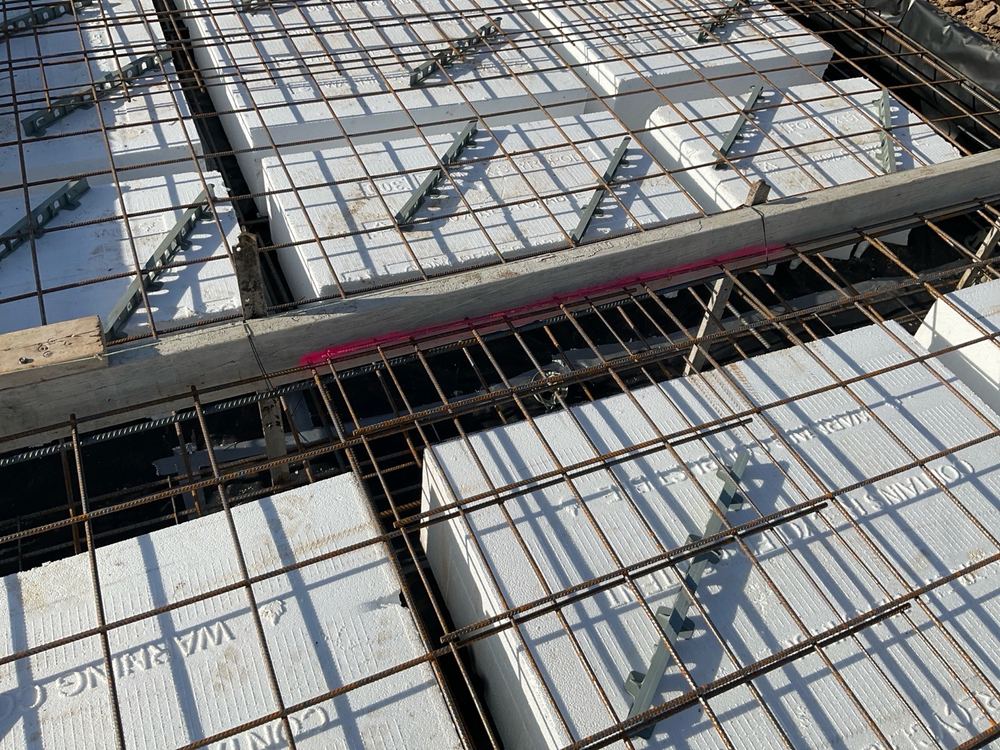
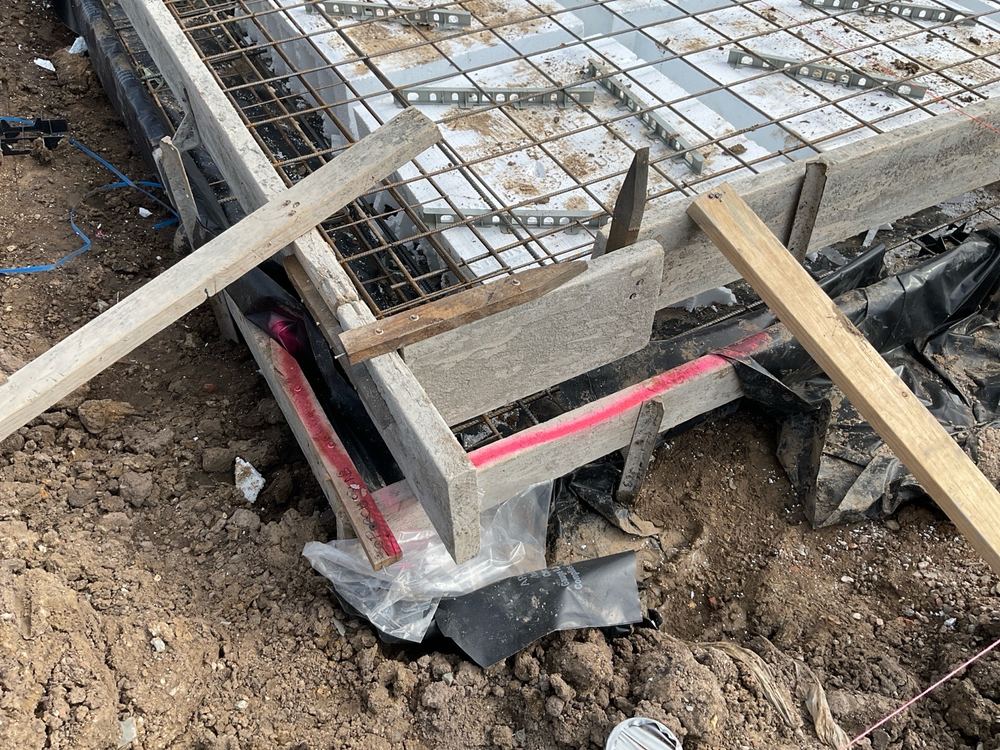
Formwork, steel and pods in, the day before concrete
Cover to steel, bar chairs, laps and step bars, pod spacing and beam widths, vapour barrier coverage and taping, and capped penetrations.
Learn more about the slab pre-pour inspection →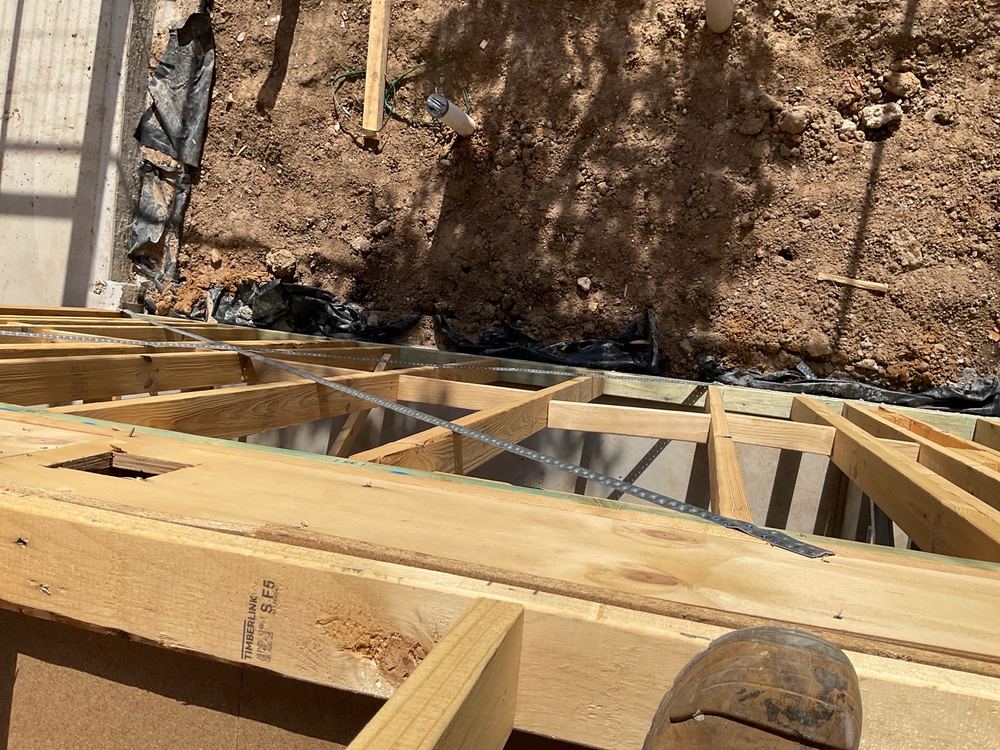
Walls and trusses up and braced, before wrap and insulation
Strap bracing hooped and nailed, tie-down and truss grips, plate overhang, blocking in bracing walls, plumb and straight walls.
Learn more about the frame inspection →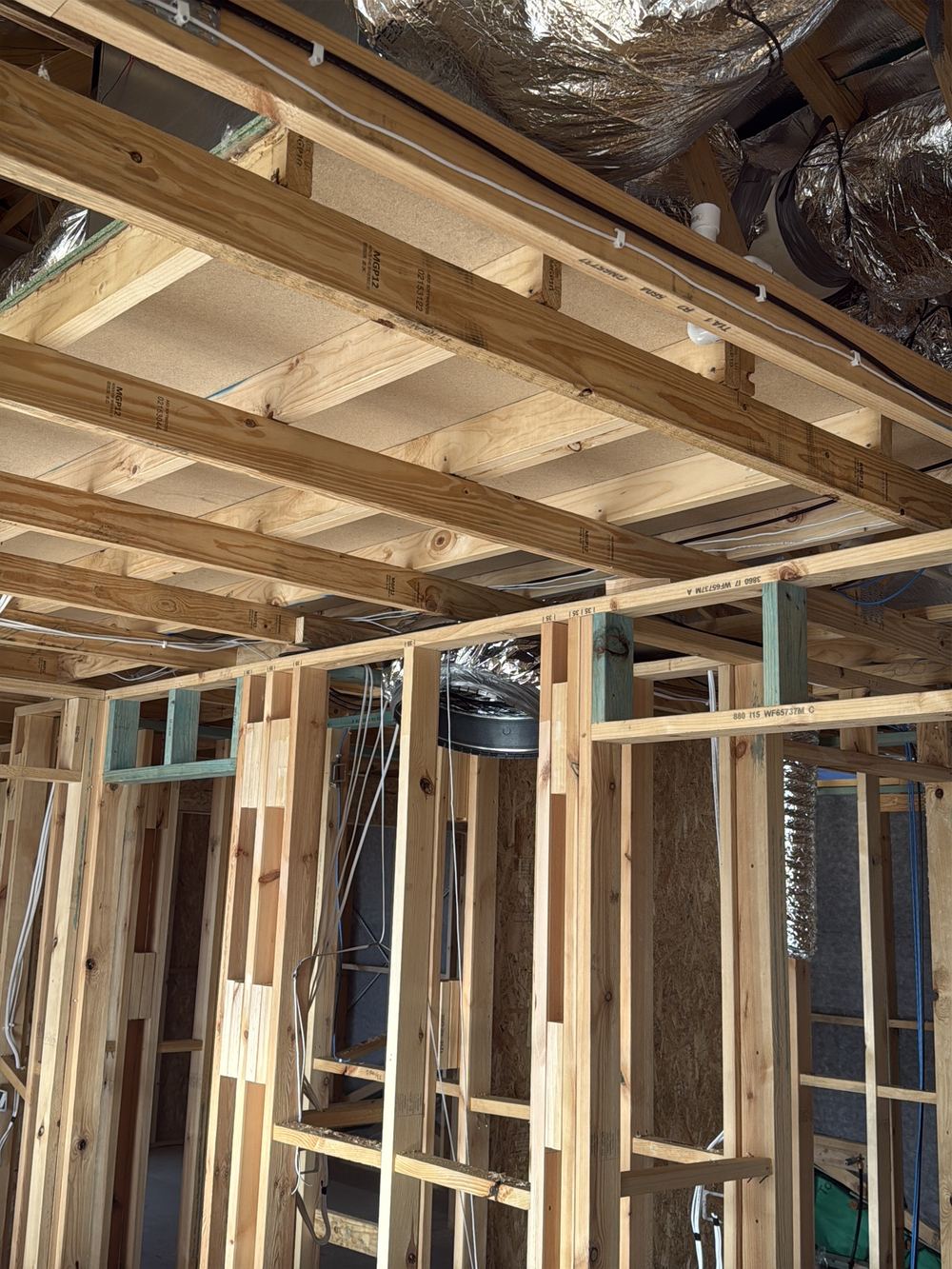
Roof, windows and cladding on, before plasterboard
Packing under trusses and beams, top plates, sarking laps and penetrations, window flashings, and earlier frame items rechecked.
Learn more about the lock-up (pre-plaster) inspection →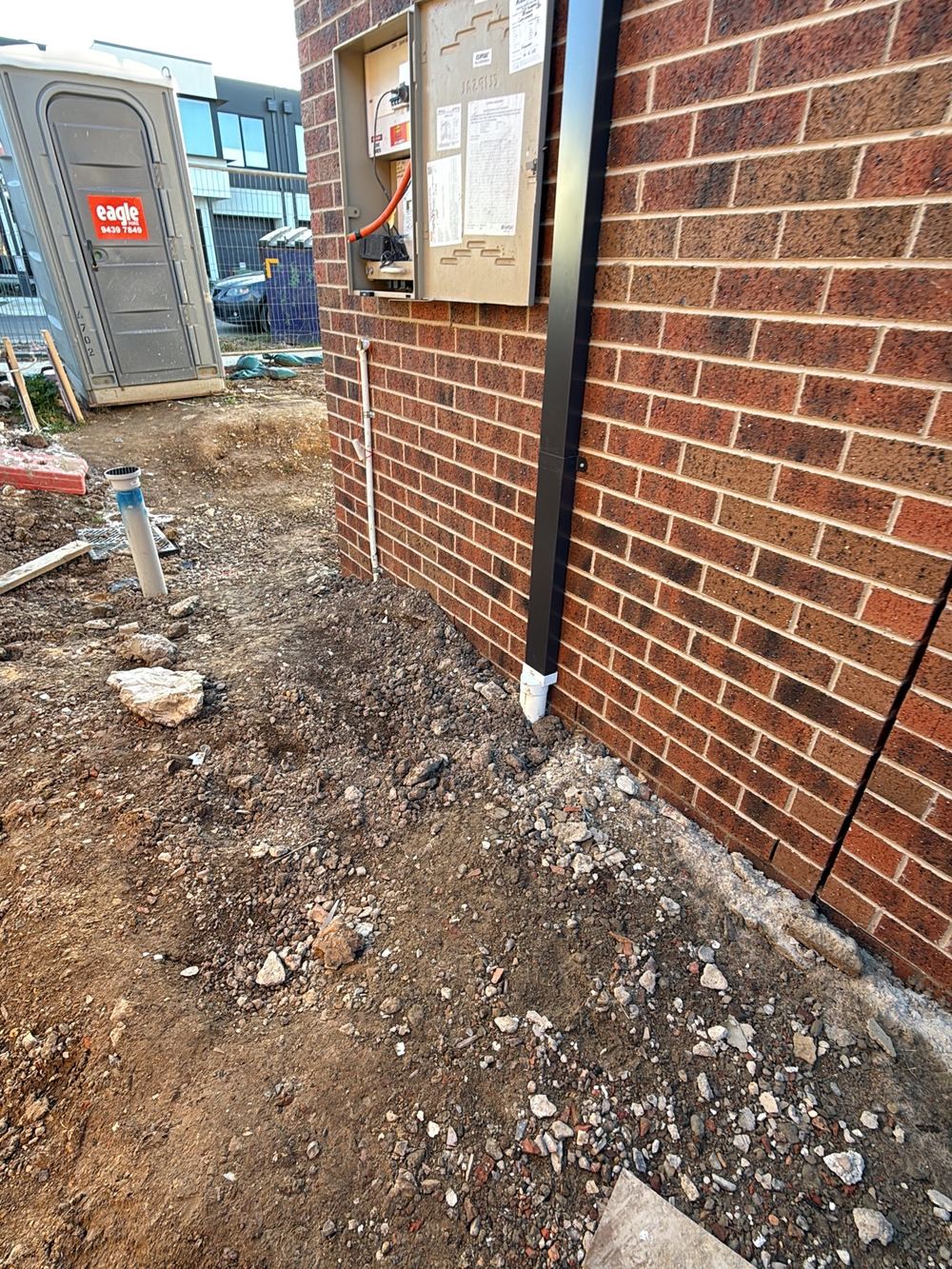
Doors, mouldings and cabinets in, before painting
Weep hole clearance, window flashings, roof tiles, door gaps and infills, mortar cleaning and joinery fit.
Learn more about the fixing inspection →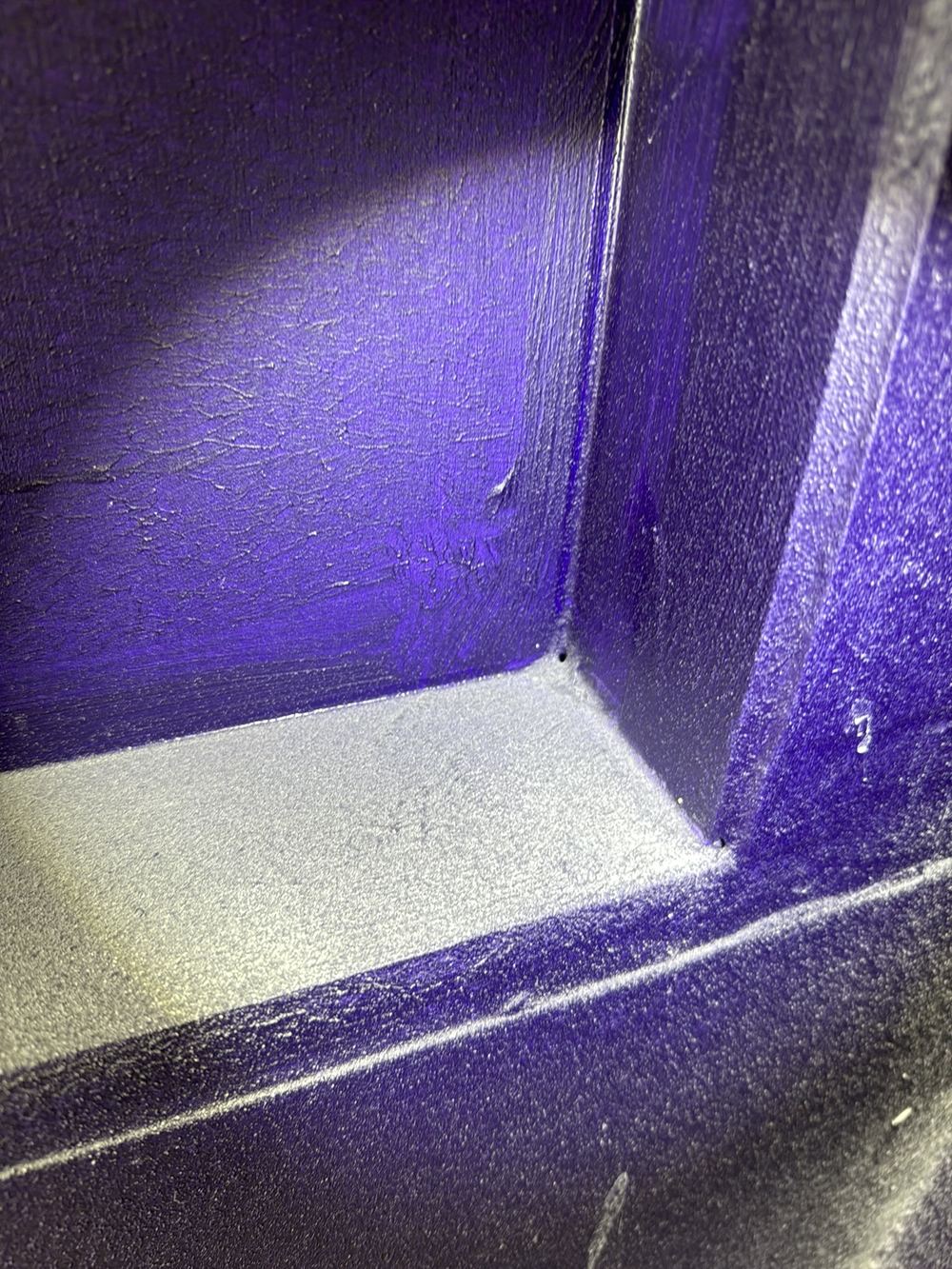
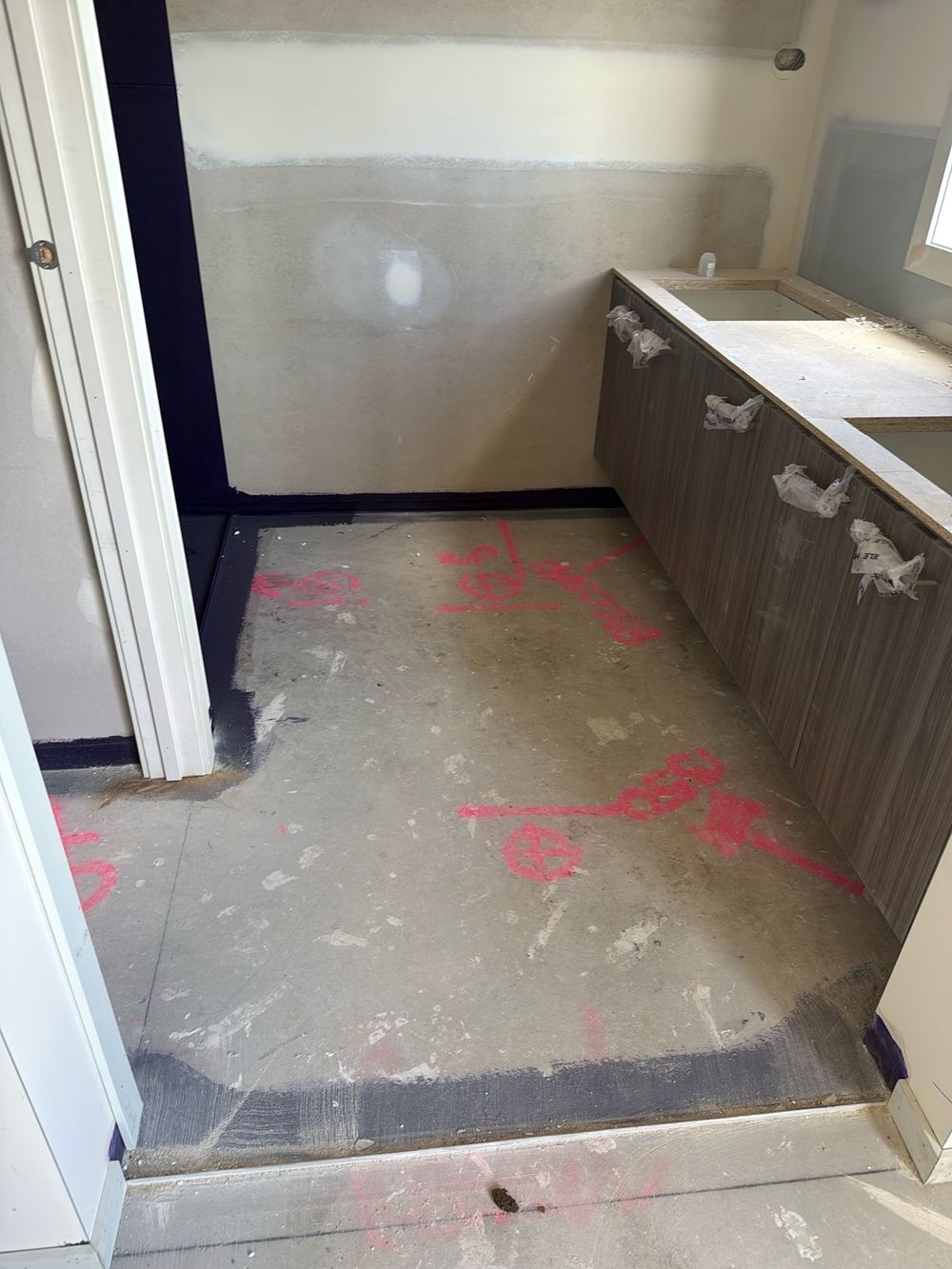
Once the membrane has cured, ahead of tiling
Membrane coverage and thickness, upturns, water stop angles and bond breakers, niche corners and shower falls.
Learn more about the waterproofing inspection →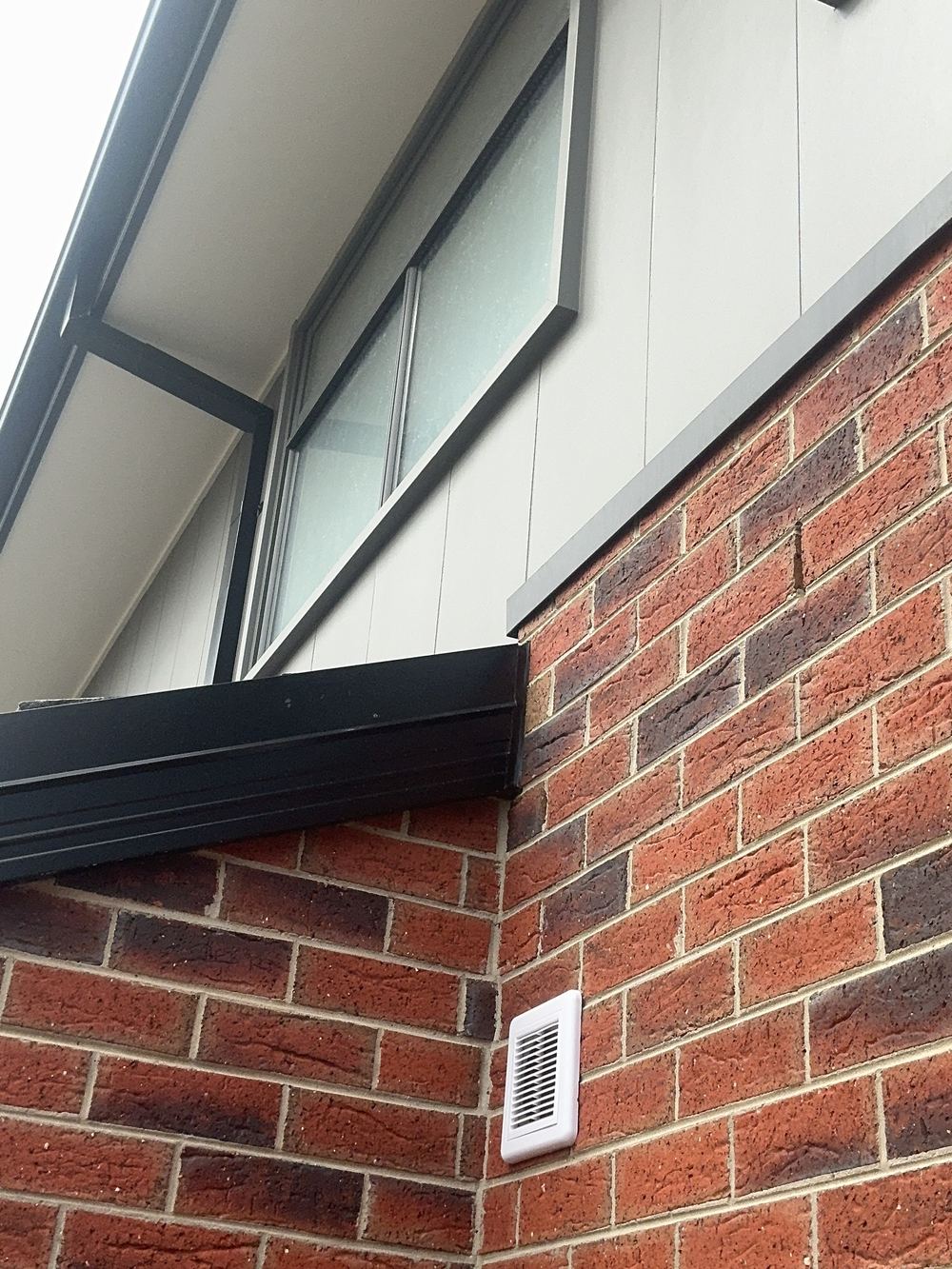
Roughly seven days out from your PC date
Roof flashings and tiles, cladding clearance, slab edges, drainage, wet area water stops, finishes room by room.
Learn more about the pre-handover (PCI) inspection →One finding per stage, from piers through to the week before handover.
 Bored piers
 Slab
Slab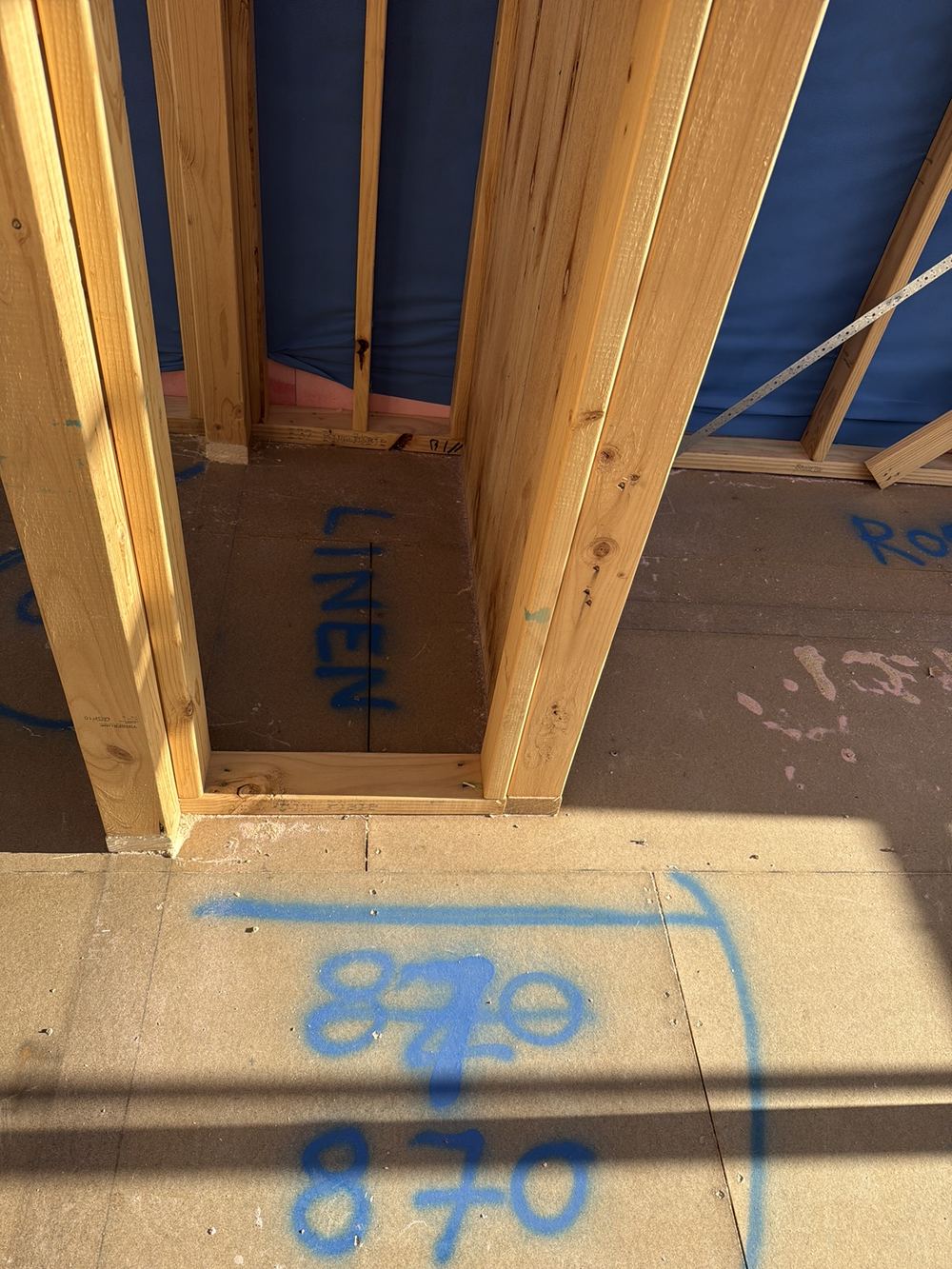 Frame
Frame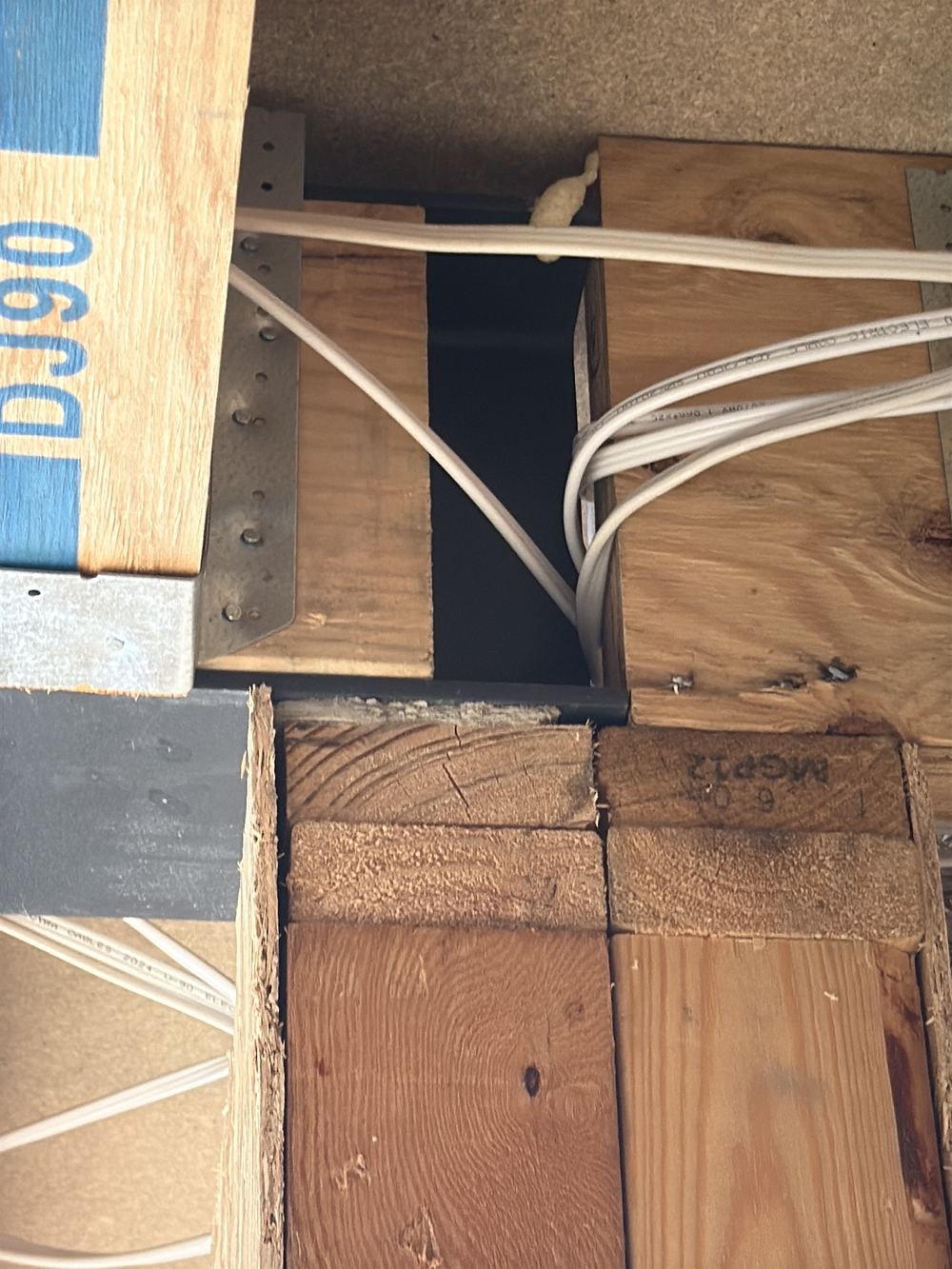 Lock-up
 WaterproofingFixingPCI
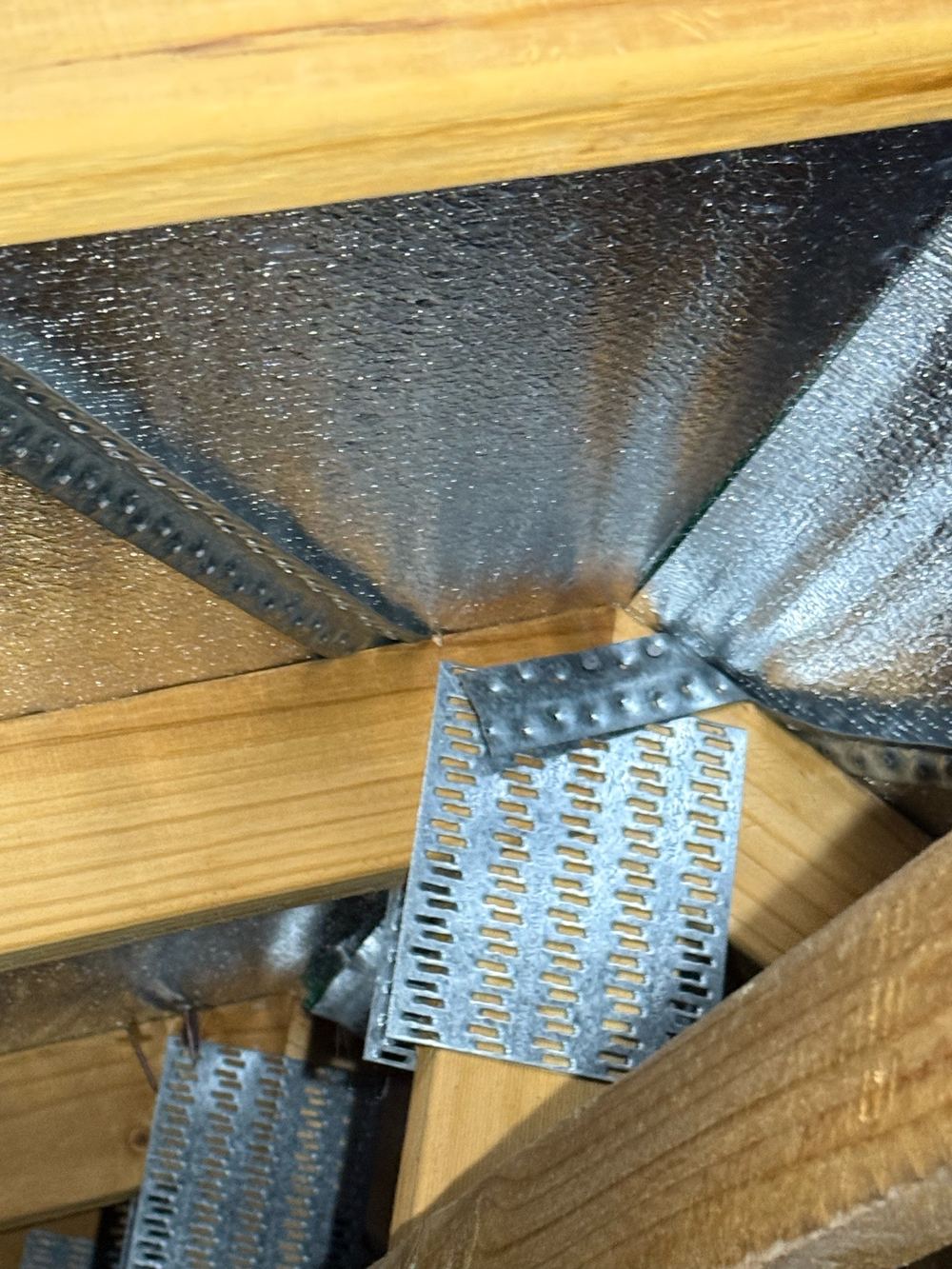
Why packing under trusses and beams matters, and why lock-up is when to catch it.
The pre-pour items that recur on Officer slabs and why each one matters.
The tie-down and bracing details our inspectors look at before wrap goes on.
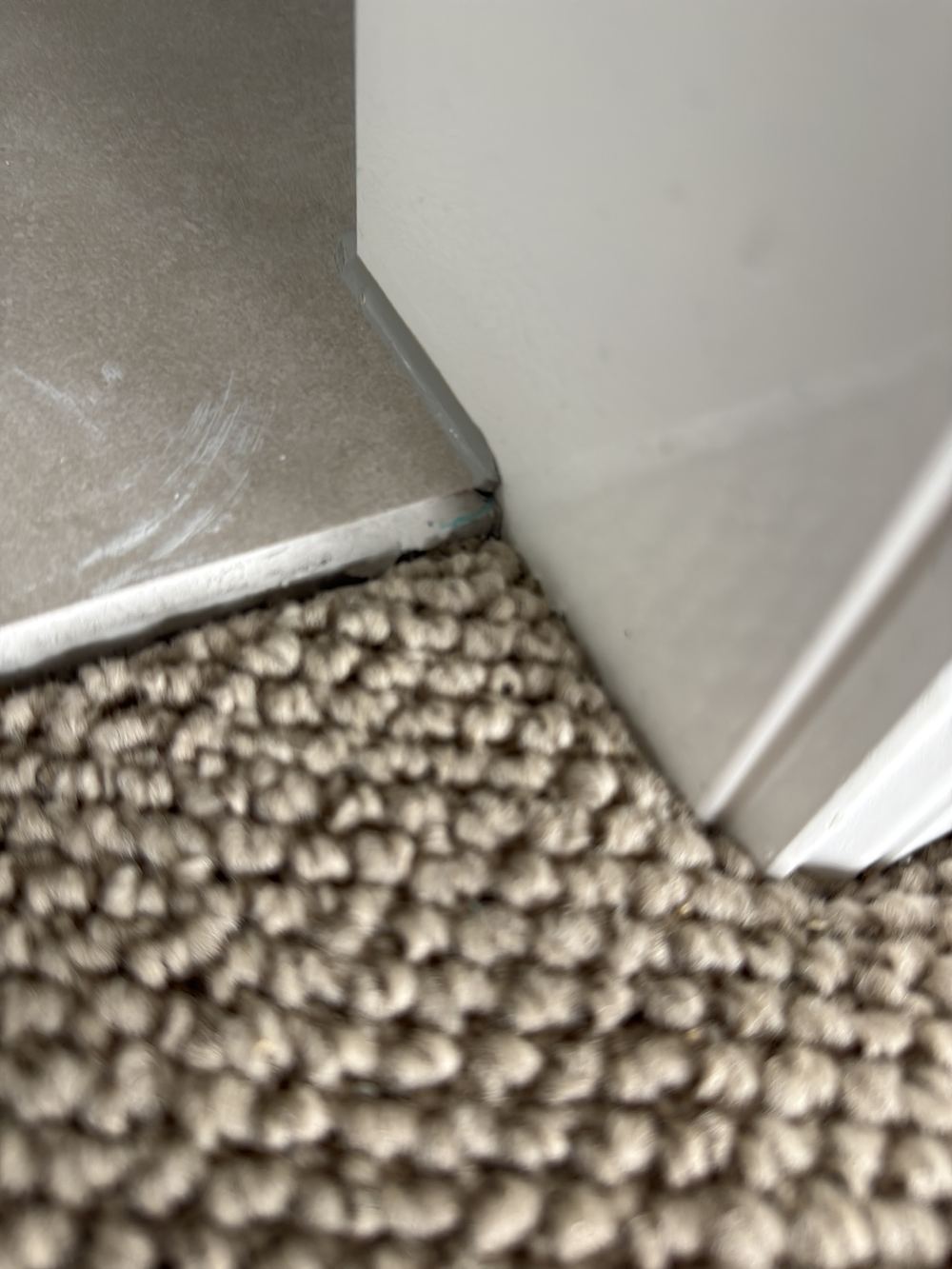 Pre-Handover (PCI) Inspections Every room, the roof and the site checked before you sign for your new Officer home.
  Pre-Purchase Building Inspections A clear read on an established Officer home's condition before you commit to buy.
 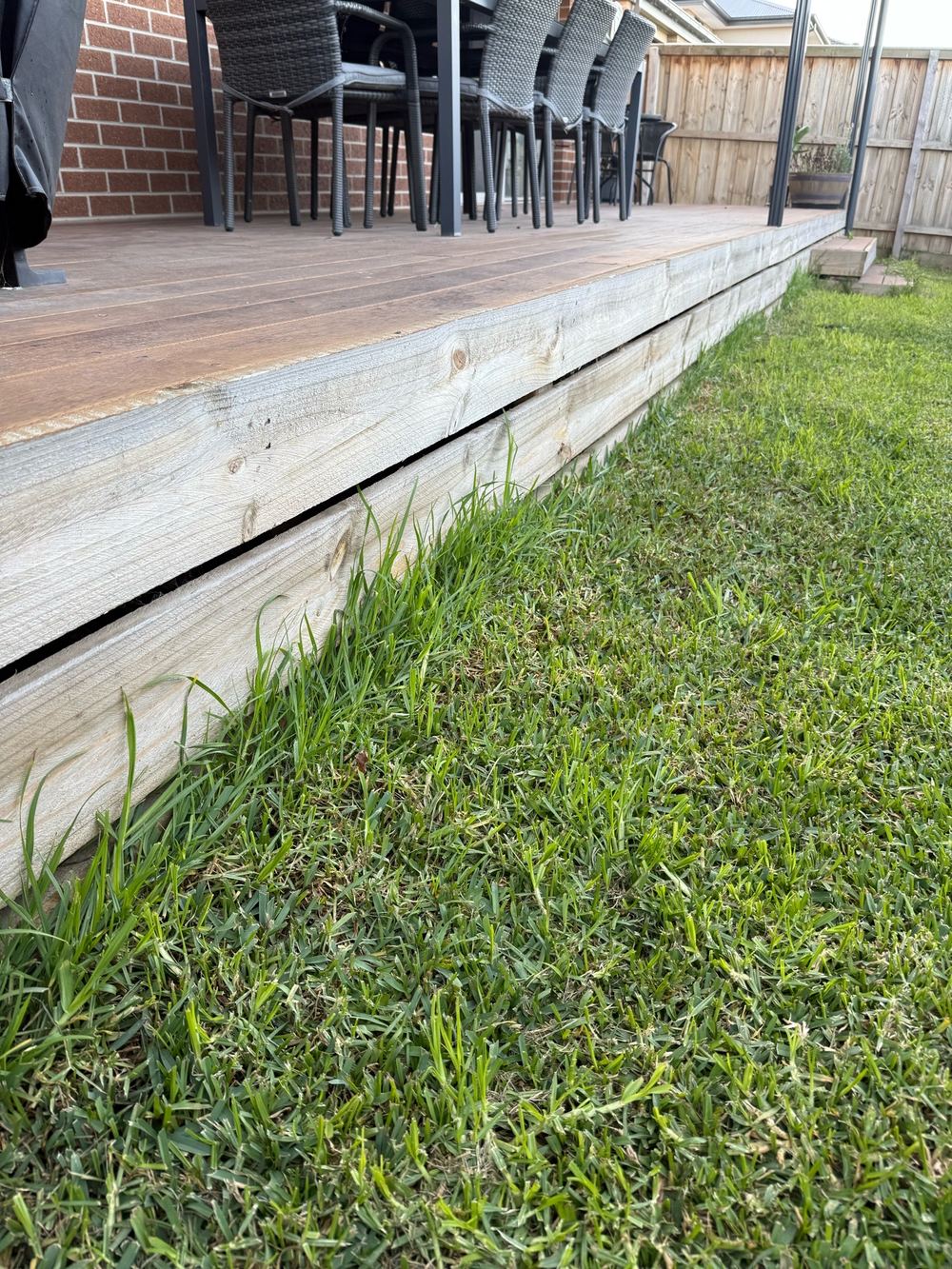 Building and Pest Inspections Building condition and timber pests in one visit, with the termite risks around the house spelt out.
 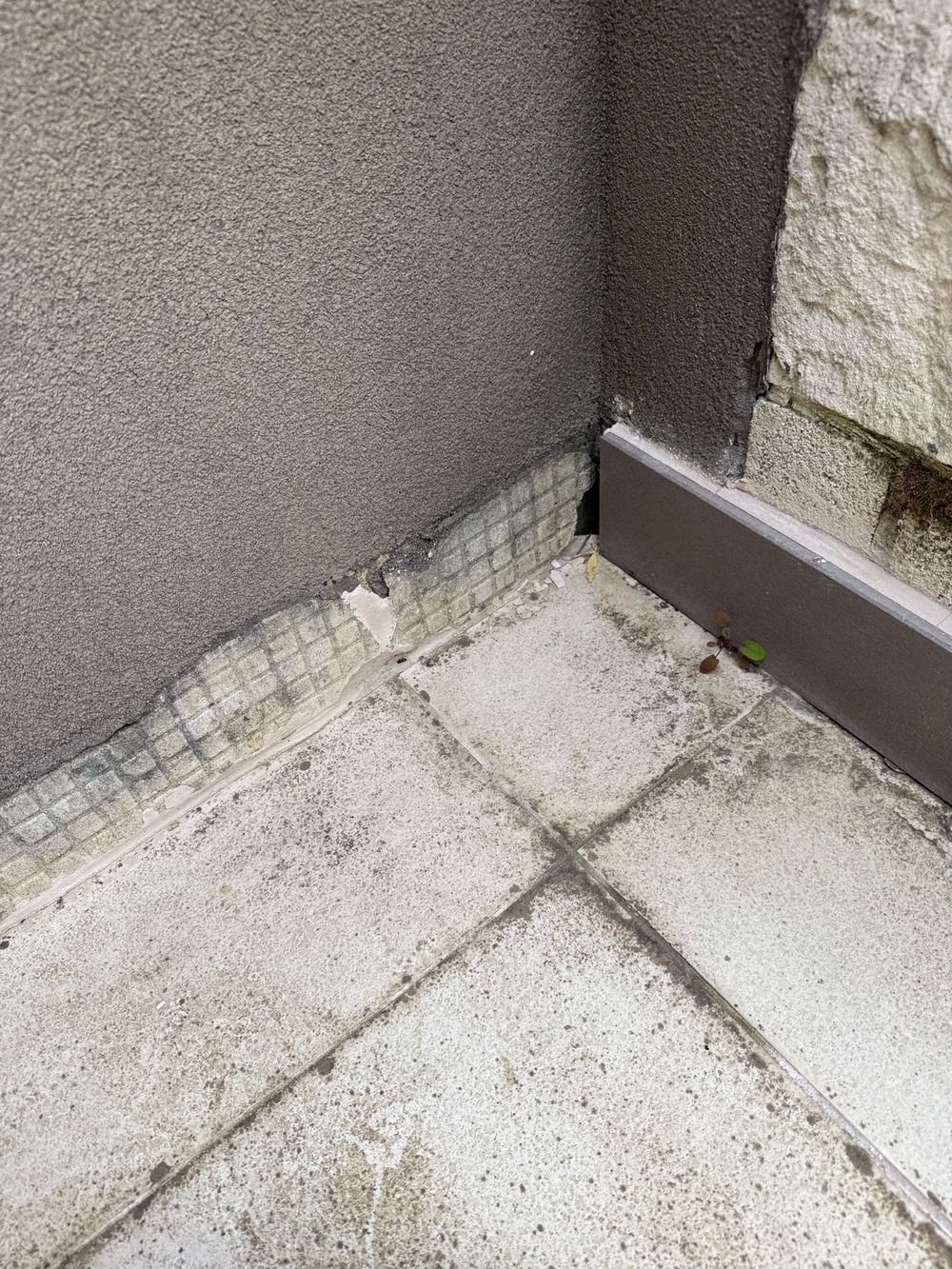 Defect Investigation Reports Finding the real cause of a leak, crack or failing balcony and what the fix has to cover.
 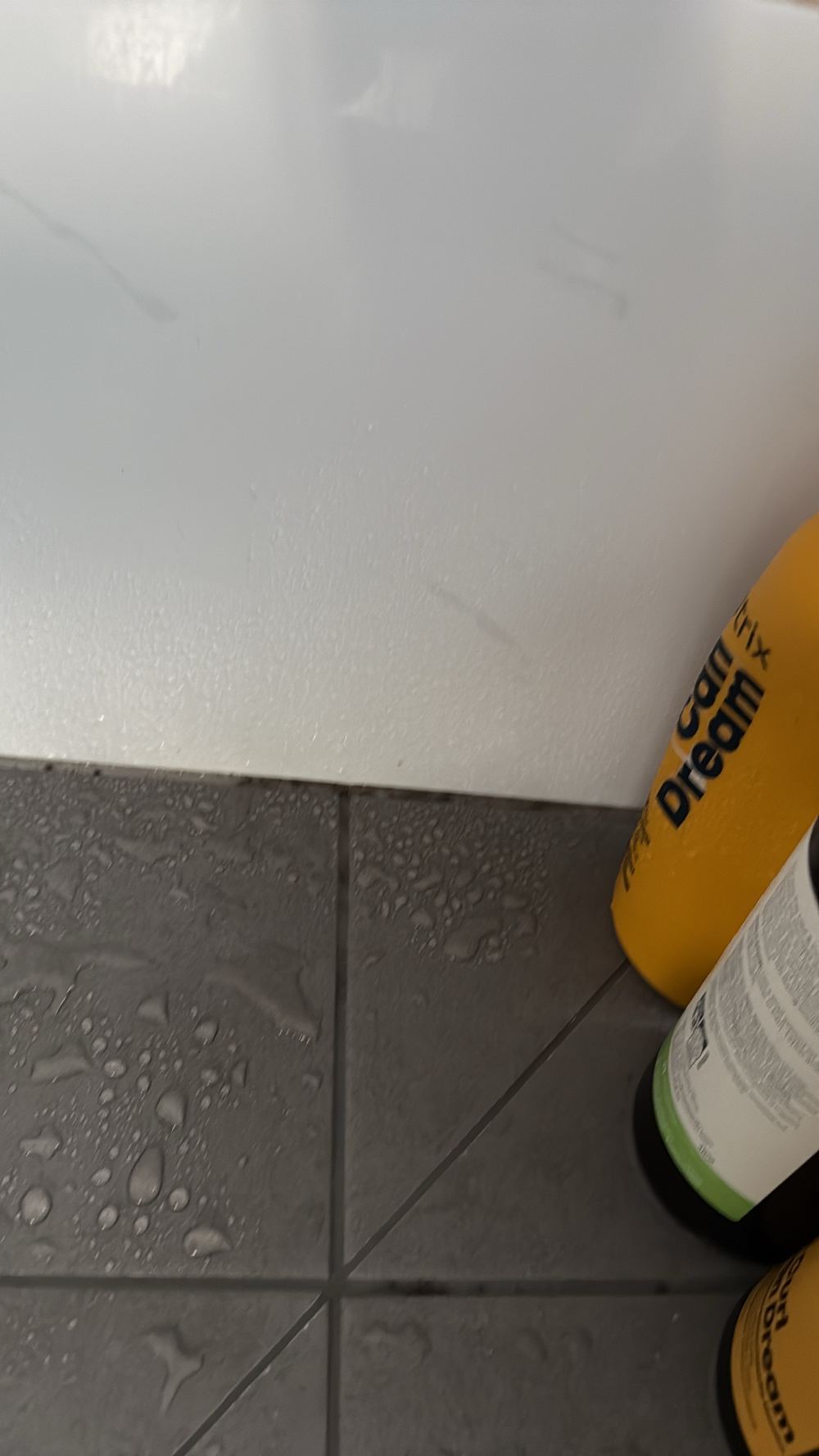 Rental minimum standards (Victoria) inspections Your Officer rental checked against all 15 Victorian minimum standards before it is advertised.
 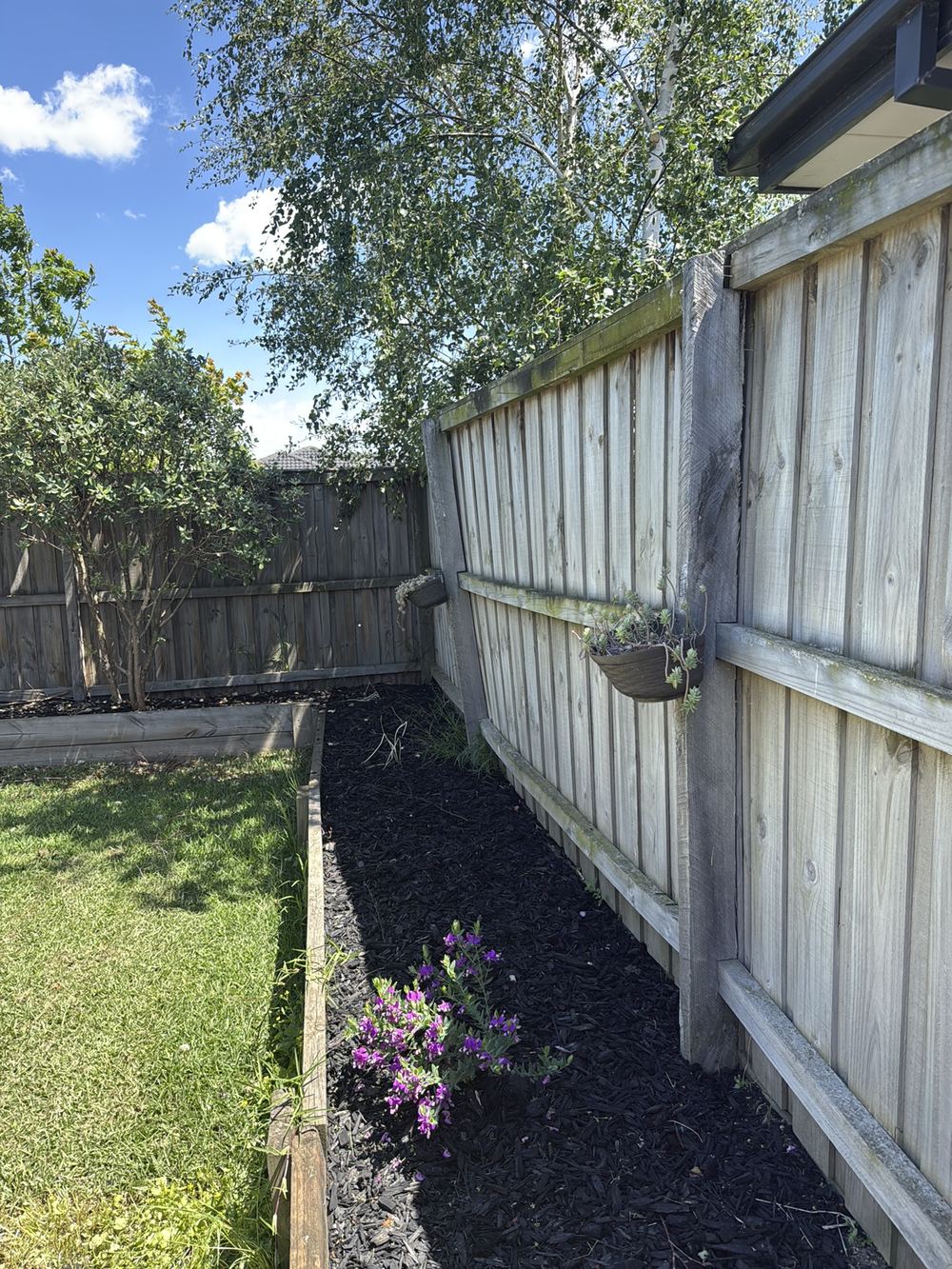 Dilapidation Reports Record your home's condition before a neighbouring lot is excavated or built on.
 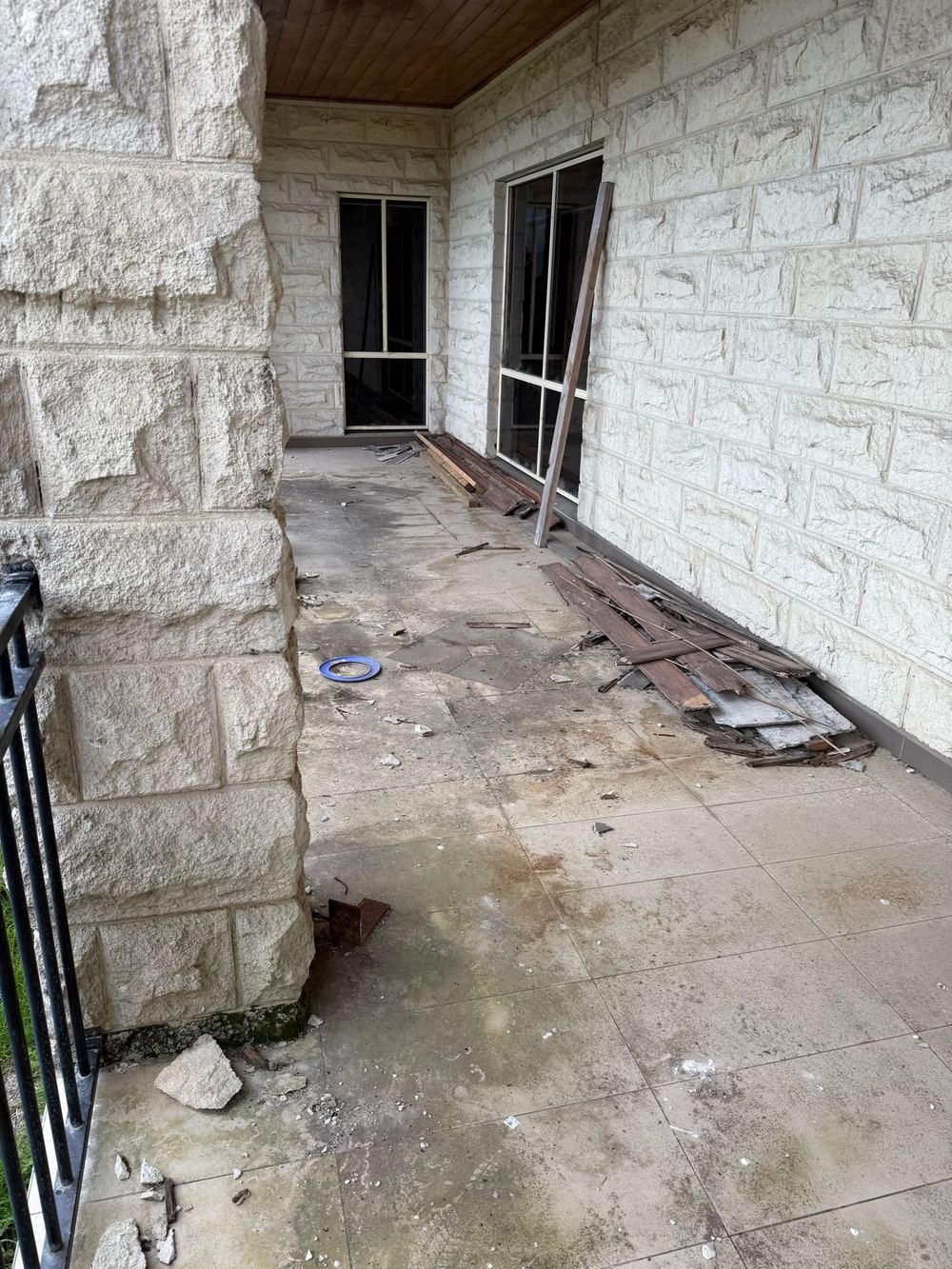 Expert Witness Reports Written to the VCAT expert evidence practice note once a building dispute is heading to the tribunal.
 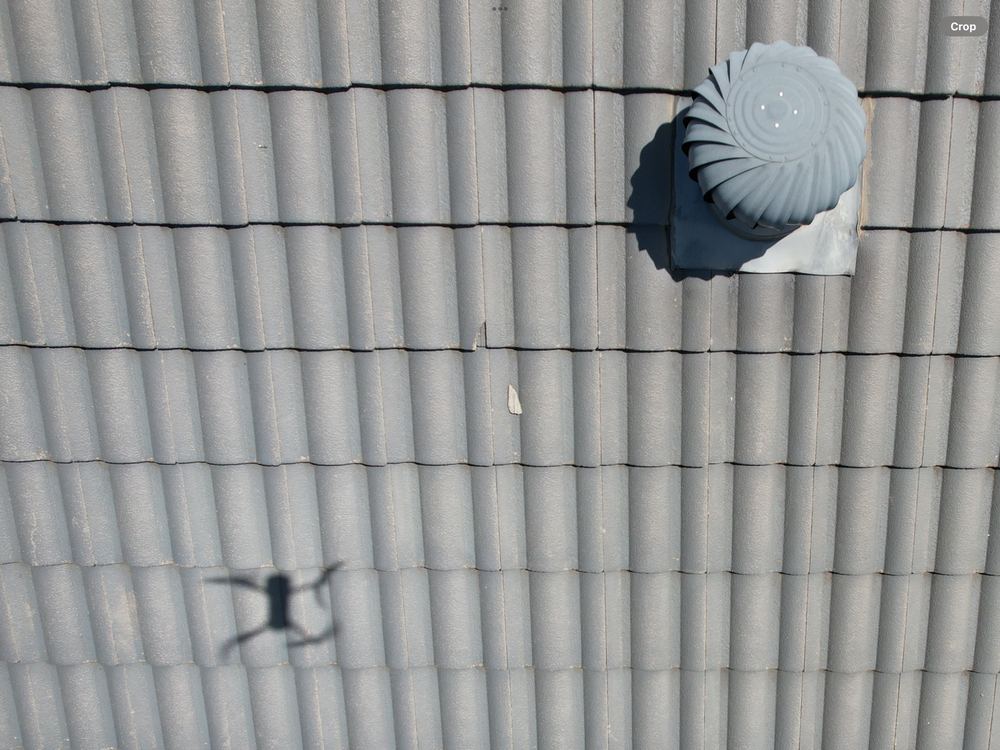 Pre-Listing Inspections Find out what a buyer's inspector will flag before your Officer home is advertised.
 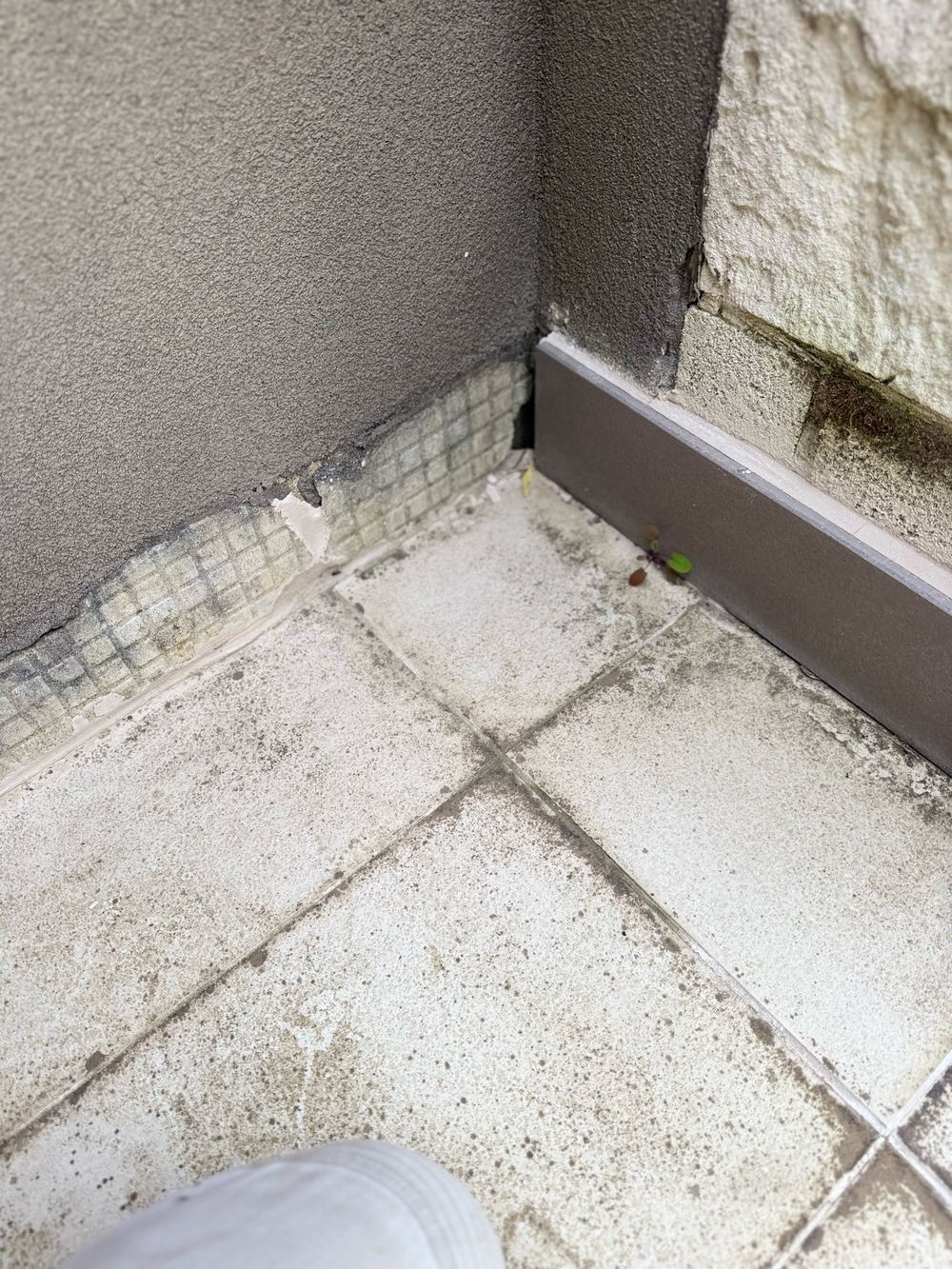 Insurance Claim Assessments Independent evidence of the damage and its likely cause to support your claim.
 Instant online pricing, or talk to the booking team on 1300 471 805.
Lock-up, closely followed by frame. Packing under trusses and beams with non-structural material, wedged top plates and unsealed roof penetrations have all been recorded at lock-up here.
Yes. Book the next stage that is still open and we also note anything visible from earlier work.
Yes, the architectural set and the engineering. Many Officer findings are about the work not matching the drawings, which can only be judged with them in hand.
Usually between forty minutes and an hour and a half, depending on the stage and whether the home is single or double storey.
We do not test or certify electrical, gas or plumbing work, commission appliances, assess anything already concealed, or provide engineering certification. Licensed trades and your building surveyor cover those.
You do, and you decide who to forward it to. Most owners send it straight to the site supervisor.
Items that do not meet the contract, the code or the tolerances are the builder's to fix. The report sets out which requirement each item fails so that is clear.