

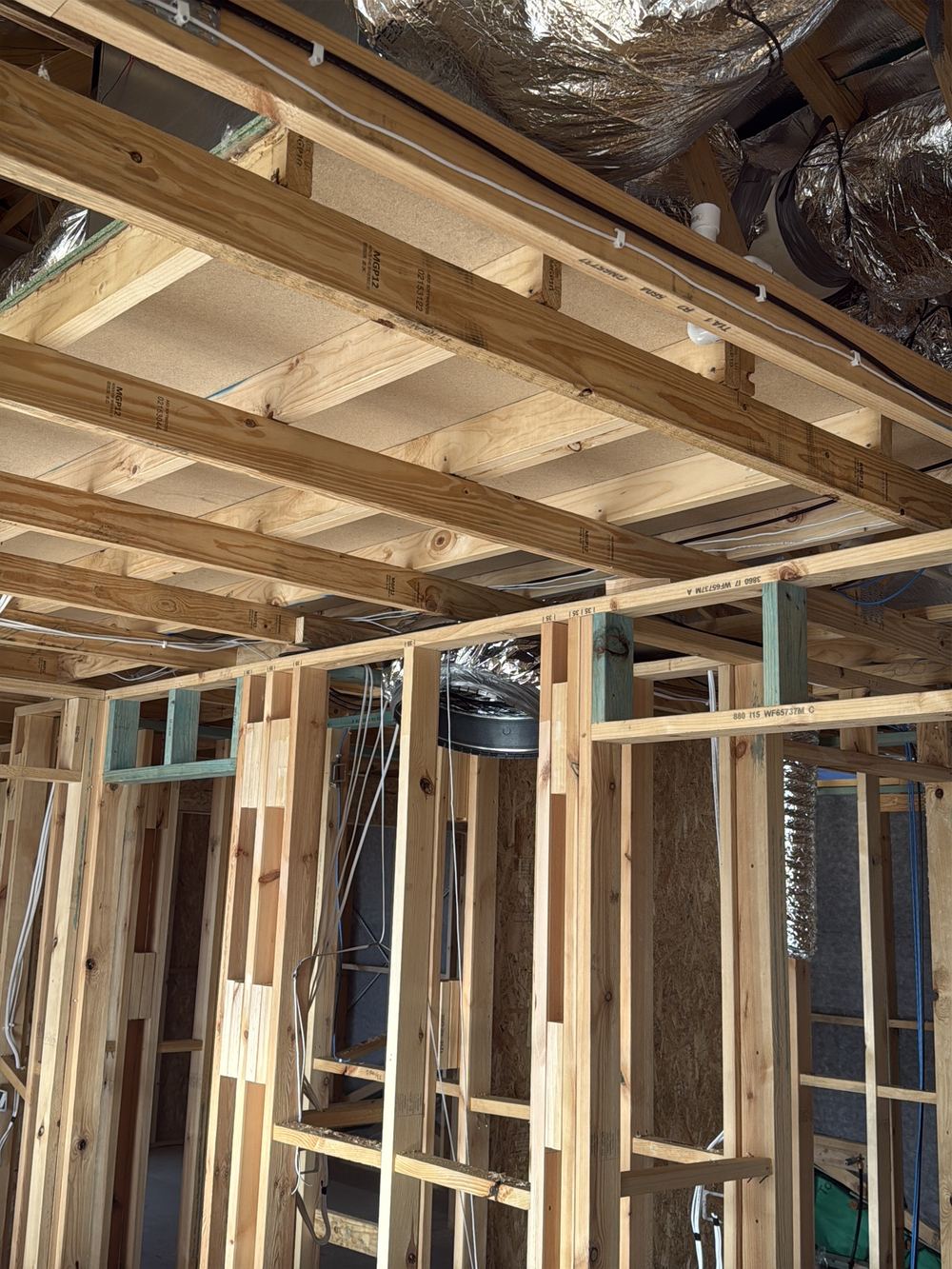
Wedges and offcuts under trusses: the Officer lock-up finding to know
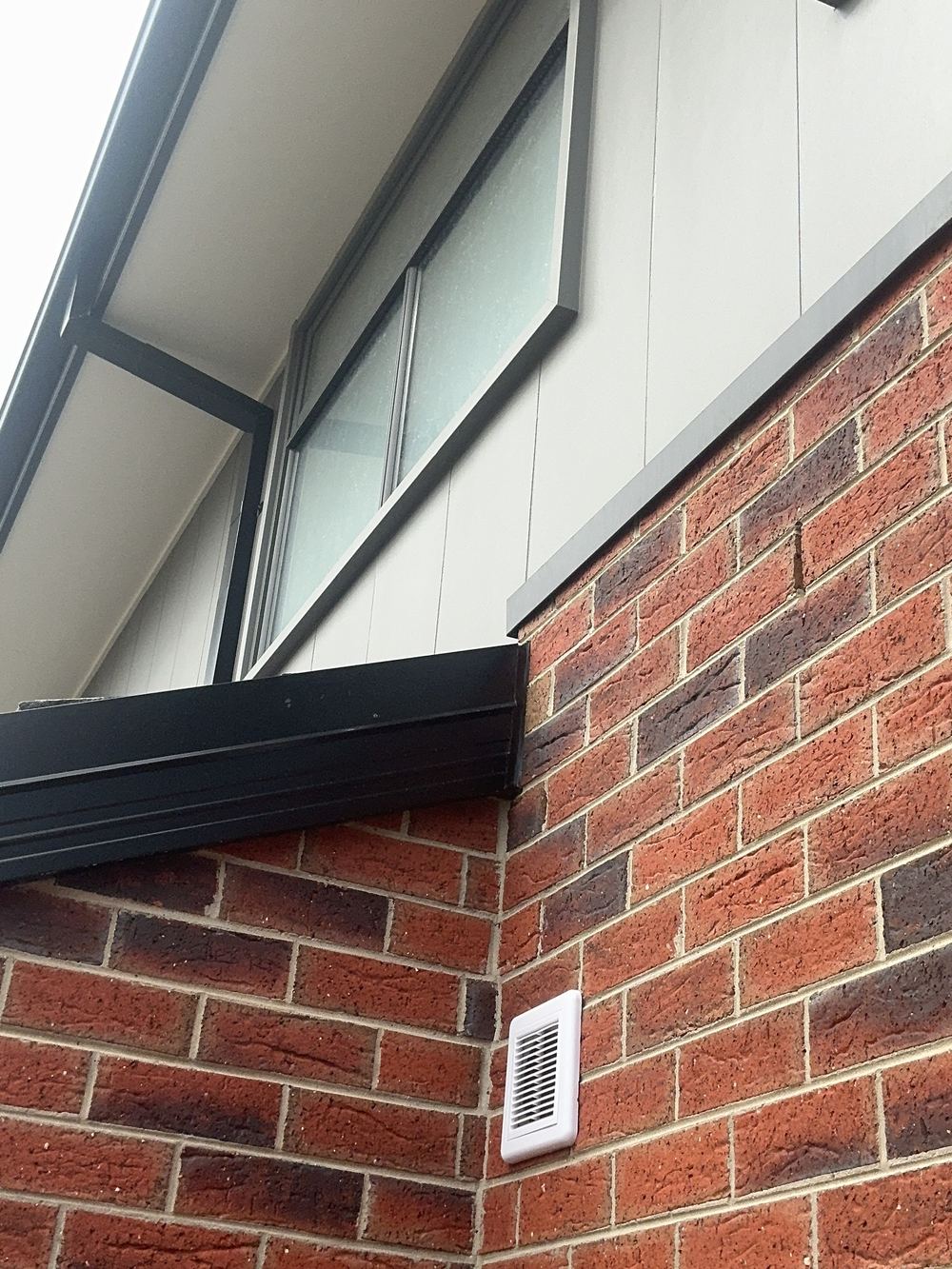
Why packing under trusses and beams matters, and why lock-up is when to catch it.
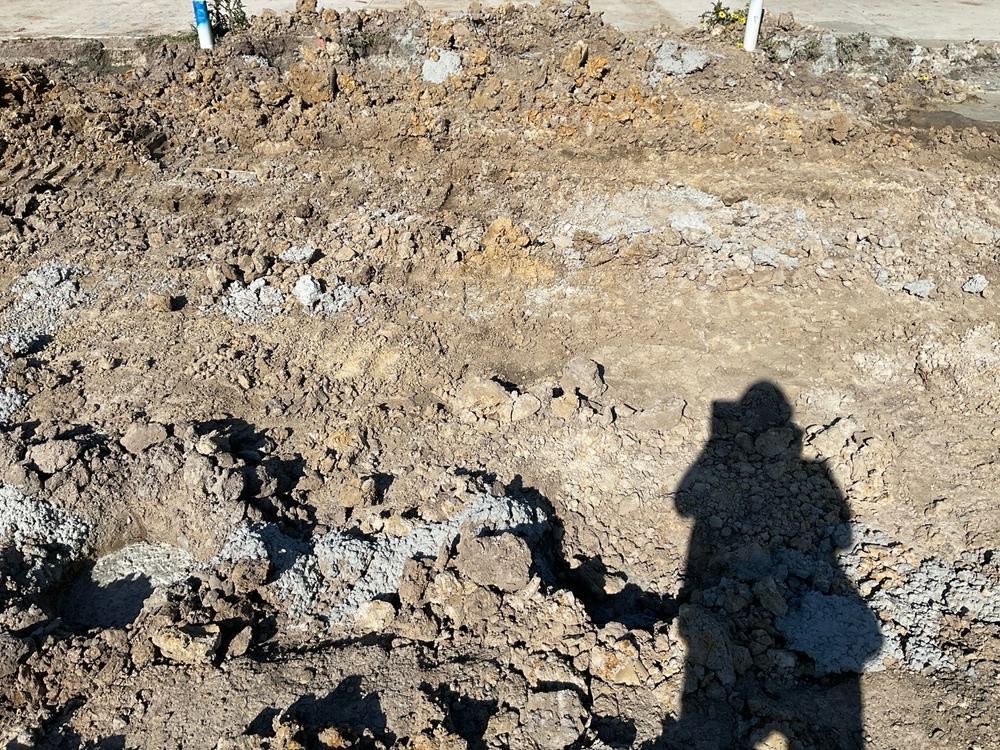
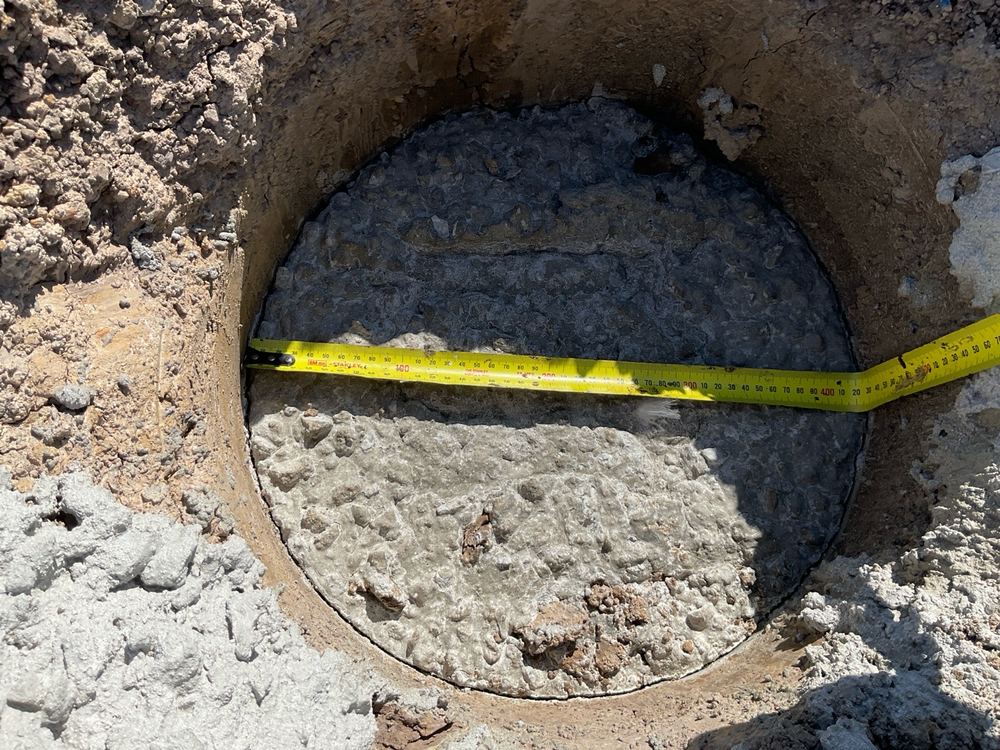
Where the engineer has specified piers, we check them once the holes are bored and before any concrete goes in.
One of our inspectors will call you back. If it is urgent, call 1300 471 805.
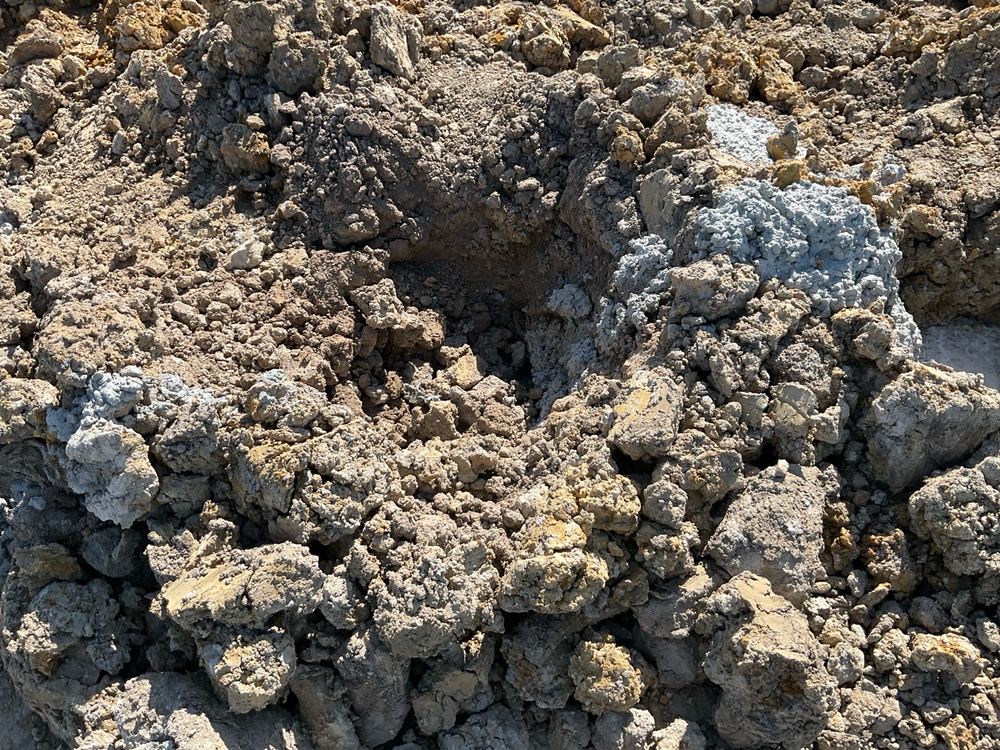
On an Officer pier job we have recorded piers sitting outside the beam line, bored out of alignment and narrower than the drawings call for. A pier that does not land under its beam carries nothing, and it cannot be moved once it is filled.
Annotated findings from Bored piers inspections.
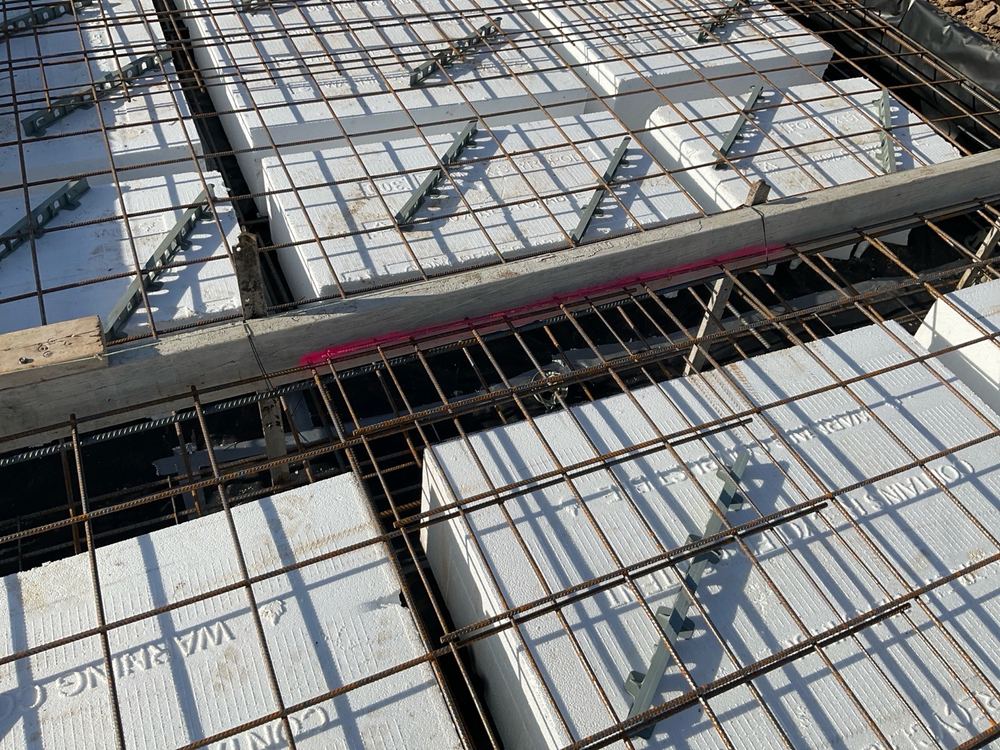 2Slab pre-pourFormwork, steel and pods in, the day before concrete
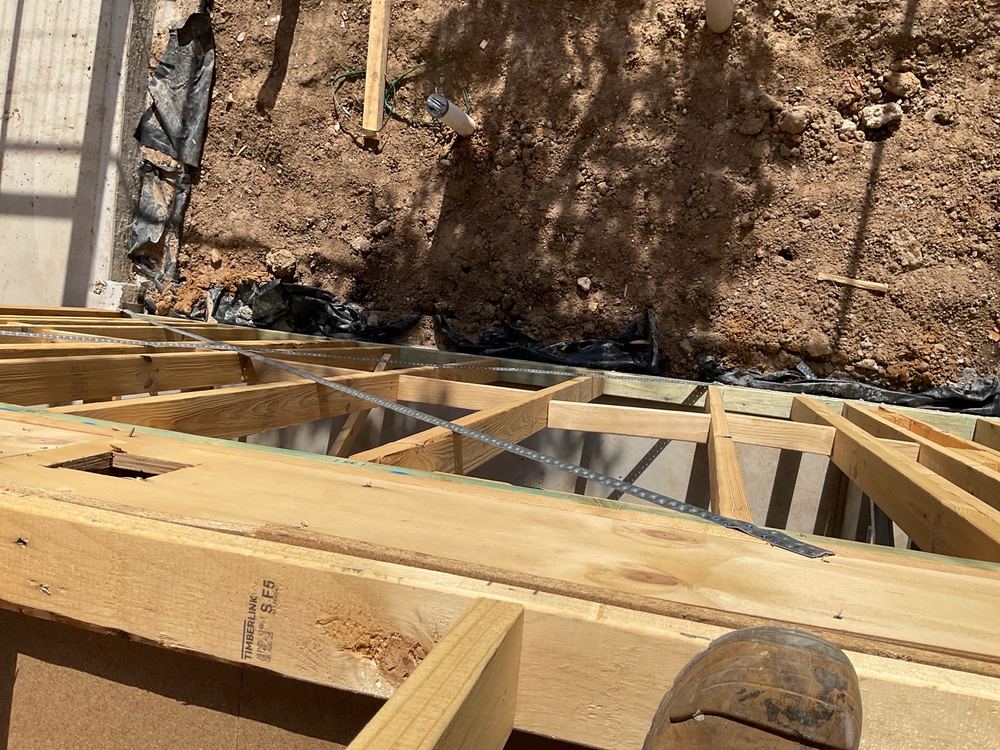 3FrameWalls and trusses up and braced, before wrap and insulation4Lock-up (pre-plaster)Roof, windows and cladding on, before plasterboard
 5FixingDoors, mouldings and cabinets in, before painting
 6WaterproofingOnce the membrane has cured, ahead of tiling
 7Pre-handover (PCI)Roughly seven days out from your PC date
Why packing under trusses and beams matters, and why lock-up is when to catch it.
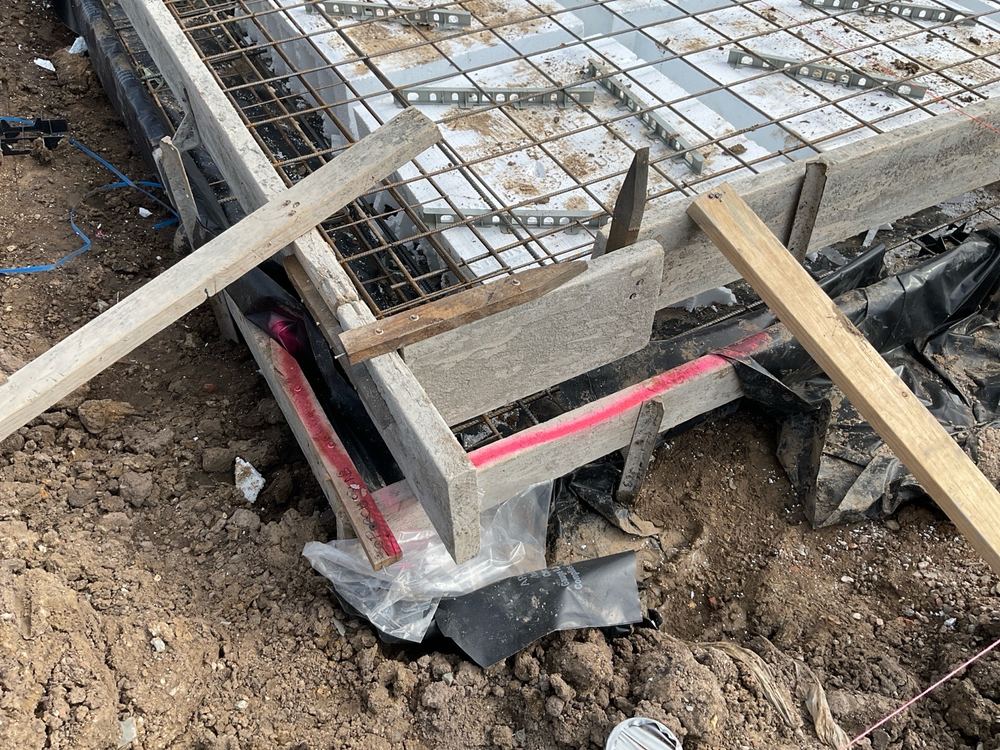
The pre-pour items that recur on Officer slabs and why each one matters.
The tie-down and bracing details our inspectors look at before wrap goes on.
Instant online pricing, or talk to the booking team on 1300 471 805.
The engineer specifies them where the ground or the design calls for deeper support, for example soft or filled ground, a steep cut or heavy point loads.
The engineering drawings: pier locations, diameters and depths, and any notes from the geotechnical report.
Usually under an hour.
It is far easier to bore a new hole now than to deal with it after the pour. The report shows each one so the builder and engineer can decide.
No. Piers are checked first; the slab pre-pour comes later once steel and pods are set.
We measure what is accessible and compare it with the engineering. Confirming the founding material is the engineer's or geotechnical engineer's call.